Man With Van in Erith

Our man with van in Erith service is set up for practical moves that need careful handling, sensible loading and a straightforward route from collection to delivery. We help with home moves, single-item transport and mixed loads where a larger removal lorry would be more than is needed. The aim is simple: keep the work organised, protect your belongings and move them efficiently with a service shaped around the items rather than forcing the job into a one-size-fits-all approach.
Because every move is different, we use a flexible approach for flats, terraced houses, student rooms, storage collections and light commercial transport. That can include carrying items from upper floors, planning the order in which furniture is loaded and arranging the vehicle space so fragile or awkward pieces sit securely. If your move includes awkward access, narrow hallways or a mixture of boxed and loose items, we can keep the load arranged sensibly so the transport stage runs smoothly.
For a clear starting point, think about what needs moving, where it is going and whether anything needs dismantling or wrapping first. You can use our pricing and quotes page to see how enquiries are usually shaped, then make your request with the details that matter most. If you are comparing services, our plain and practical approach is designed to help you decide what fits the job without unnecessary extras.
House moves carried out with a van sized to the job
A house move does not always need a full-scale removals operation. Our van-based service is well suited to one-bedroom properties, smaller family homes and moves where the volume is modest but the items still need care. We can handle the main furniture, white goods, bags and boxes, then organise the load so heavier items sit safely beneath lighter ones. This keeps the move manageable while still giving you enough capacity for a proper relocation rather than multiple improvised trips.
When a move includes a mix of furniture and personal items, the benefit of a van service is the balance between capacity and control. There is room for the practical essentials, but the process stays focused on what actually needs transporting. If you also need help with packing, the packing and unpacking services page gives a useful overview of that support. For customers who want a simpler way to shift household items, our approach keeps the process direct and commercially sensible.
Useful choices before the move
It helps to decide in advance which pieces are going, which can be taken apart and which should be kept upright. Good planning makes loading more efficient and reduces the chance of items being handled twice. If you have fragile items, awkward wardrobes or heavy appliances, let us know what the move involves so the vehicle space and lifting order can be arranged appropriately. A concise list is often enough to shape the plan without creating unnecessary admin.
Furniture pick-up and single-item transport

Not every booking is a full move. We also handle furniture pick-up jobs, which are useful when you have bought a sofa, table, bed frame or cabinet and need it collected from one address and delivered to another. The advantage of this type of service is that it keeps the transport simple while still giving you the benefit of proper loading and careful handling. It is a practical option for items that are too large or awkward for a standard car.
Single-item and small-load transport can suit customers who are buying second-hand, rearranging rooms or clearing a property in stages. If you need something moved from a shop, storage unit or private address, the key point is often access rather than volume. Our furniture pick-up service is built around those practical details, so you can arrange collection without turning a straightforward move into a larger project than it needs to be.
For this kind of work, a little clarity goes a long way. Tell us the item type, approximate size, floor level and whether it can be carried as is or needs dismantling. That helps us plan the load and keep the journey efficient. If your collection includes more than one item, grouping them together in one booking can make the process easier to manage and often avoids unnecessary back-and-forth.
Home removals for flats, houses and shared accommodation
Our home removals work covers everyday domestic moves that need a reliable vehicle, careful handling and a practical layout for furniture and boxes. This is the part of the service most people think of first, but it is also the area where flexibility matters most. A flat move may need stair carrying and tighter loading; a house move may need a better sequence for larger furniture; a shared house move may need individual rooms or labelled bags kept separate. The service is organised around those differences.
We can support moves where the goal is to transfer the main contents of a property in a manageable way, without overcomplicating the process. If you are comparing household options, the home moves page is a useful place to look at the broader domestic service. For smaller jobs, the van format can be especially useful because it keeps the operation proportional to the load while still allowing careful placement of household items.
Domestic removals work best when the load order is thought through before arrival. Heavy furniture, boxes, soft furnishings and loose items all behave differently in transit, so it is sensible to decide which pieces should travel first. You do not need to overprepare, but having the main items identified and accessible helps the day feel more orderly. Clear access and honest item details are often the simplest way to keep everything on track.
Commercial moves and office transport

We also support smaller commercial moves where offices, studios or trade spaces need equipment and furniture transferred without unnecessary disruption. That can include desks, chairs, filing units, boxed stock and lightweight fixtures that need to arrive in usable condition. A van-based approach can be especially suitable for businesses that are relocating in stages, moving part of a setup or taking items from one working base to another with minimal fuss.
Commercial transport often depends on good sequencing. Files, hardware, shelving and loose equipment can all be loaded in different ways, so the plan should match the contents rather than follow a generic method. Our office relocation services page gives a clearer picture of how that work is typically arranged. If you are moving from a small workspace, the service can be organised around the items that matter most, with careful attention to access and safe handling.
Labelled boxes, access notes and a quick count of larger items are often enough to prepare a commercial enquiry. If the move includes IT equipment or sensitive paperwork, it is worth separating those items in advance so they can be handled consistently. The intention is not to create extra steps, but to keep the move simple enough for busy teams to manage while still protecting the contents that need more care.
Packing support, loading and the practical side of moving
Some customers only need transport, while others want help with the physical side of the move. That can mean loading boxes, carrying items from upstairs, placing furniture securely in the vehicle or helping to organise the order of the load. When packing support is requested, the aim is to make the move safer and easier rather than to turn it into a full managed project. The scope is practical: protecting belongings, reducing strain and keeping the job efficient.
If you want a broader move with everything boxed and ready, the packing and unpacking services page can help you judge whether that support is useful for your situation. For some customers, only a few delicate items need wrapping; for others, most of the household contents are already in cartons. The service can work in either case, as long as the likely load is understood before the day begins.
When packing is not required, the same principles still apply to loading. Heavier items should be kept stable, fragile items should not be buried under pressure and loose items should be secured so they do not shift during transit. If there are awkward pieces such as mirrors, lamps, garden items or exercise equipment, mentioning them early allows the vehicle arrangement to be thought through in a sensible way.
More than one type of removals service
Many customers are looking for a service that sits between a courier and a full removal company. That is where a man and van arrangement can make good sense. It is versatile enough for smaller home removals, furniture collection, office equipment transport and mixed loads, while still remaining straightforward to organise. If the move is not large enough to need a major removals crew, a van service can be a more efficient fit for the work involved.
For a broader view of the services we offer, the removal services page brings together the main categories in one place. Some customers prefer to choose a general removals option and then refine the job from there; others start with a specific service such as a house move or commercial move. Either approach can work, provided the load and destination are described clearly enough to match the right kind of transport.
- Domestic furniture and boxes
- Single items and second-hand collections
- Small office or studio equipment
- Loads that need careful positioning in transit
Pricing factors and quote preparation
Pricing for van-based removals is usually shaped by the size of the load, access at each end, distance travelled and whether extra handling is needed. Stairs, long carries, dismantling and bulky items can all influence the amount of time and care required. That does not mean the process has to be complicated; it simply means a sensible quote depends on the right details. Our pricing and quotes page is the best place to start if you want to understand how a request is organised.
To help with a quotation, it is useful to note the collection and delivery addresses, the approximate number of boxes or furniture pieces, and any items that need special handling. A few clear points are usually better than a long message with missing information. If you are unsure whether something can be moved in one visit, explain the item and the access, and the load can be assessed from there. Accuracy matters more than length when a move is being scoped.
You do not need to overstate the job or leave out important parts of it. A practical list of the main items and any access constraints is enough to begin. If you are ready to make contact, this is a good time to request a quotation and set out the move in plain terms. The goal is to give you a clear route from enquiry to transport without adding unnecessary admin.
About Erith
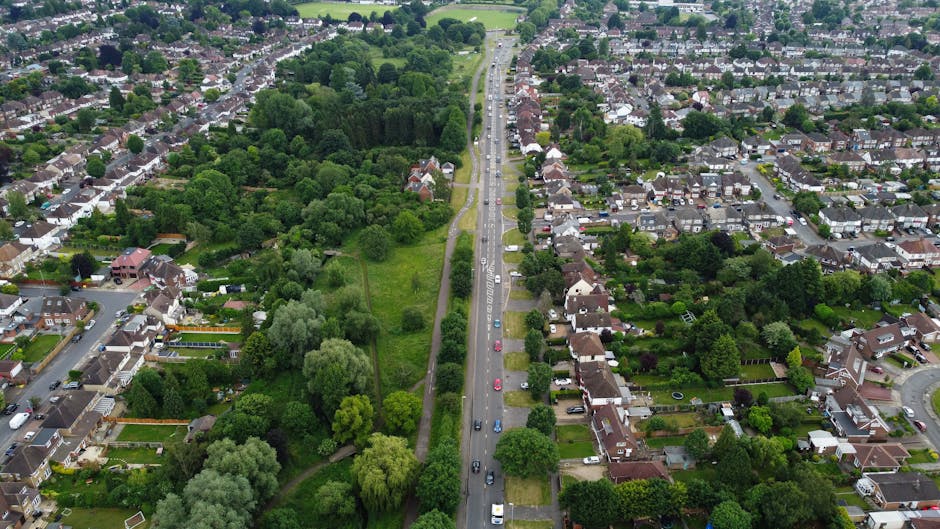
Erith is a riverside district in the London Borough of Bexley, on the south bank of the River Thames in south-east London. Its history reaches back to a Saxon settlement and the area later developed as a Thames-side port with industrial and transport links shaped by the river. The old centre sits around Pier Road and the high street, while newer housing and commercial areas spread inland towards Belvedere and Crayford. The landscape still carries traces of its working past, with dockside and warehouse references visible in the wider pattern of streets and land use. Erith boasts one of the longest piers on the Thames, which remains a distinctive local landmark and a reminder of the area’s maritime connections. Nearby green spaces include the Erith Marshes, part of the Thames-side low-lying landscape, and the area also sits close to the River Cray corridor and the wider network of open land running through the borough. Rail services connect Erith with central London and the surrounding part of Kent, while the river frontage and regeneration schemes have continued to reshape the district’s identity. The result is a place with a mixed character: part historic riverside settlement, part ordinary suburban district, and part working urban edge, with civic buildings, shops, residential streets and open land all contributing to its present-day profile.
House removals, local transport and straightforward booking

For customers comparing moving options, it can help to look at the difference between a full house removal and a more focused van service. A full-scale removal can be useful for larger properties or heavier inventories, but a smaller van-based move is often better when the load is modest and the access is manageable. That balance is one reason many people choose a service like ours: it keeps the job proportionate and avoids paying for capacity that will not be used.
If you want to compare household approaches, the house removals page gives a useful route into the domestic side of the business. For lighter or more flexible moves, the service can be tailored to the number of rooms, the type of furniture and the need for careful handling. The same practical thinking applies whether you are moving a few belongings, a complete flat or selected larger items that must travel securely.
Booking is usually easiest when the main facts are ready to hand: what is being moved, where it is going and whether there are items that need extra attention. If the collection point has awkward access, parking limits or narrow stairs, that should be included too. A clear request helps us respond with a service that suits the move rather than forcing the move to suit the service.
Choosing the right removals company for a small or medium move

Choosing a removals company is often less about grand claims and more about whether the service matches the work. For small and medium jobs, it is useful to have transport that is responsive, handling that is careful and communication that stays practical. Our man with van option is designed for exactly that kind of move: not oversized, not overcomplicated, and not treated as though every booking needs the same process. It is a simple service with enough flexibility to cover a wide range of everyday transport needs.
If you are still comparing different approaches, the removal company page and the man and van page can both help you judge the service style that feels most suitable. Some customers want a broad removals option; others want a more direct vehicle-and-loading arrangement. Either way, the decision usually comes down to the items involved, the access at each address and the level of support needed on the day.
For a quotation, send the basics in one clear message and mention any larger or fragile items separately. If you have already packed part of the load, say so; if you need loading help, include that too. Then ask for a quote in plain language and we can take it from there. If you are ready to move forward, contact us with the details of your job and request a quotation today.