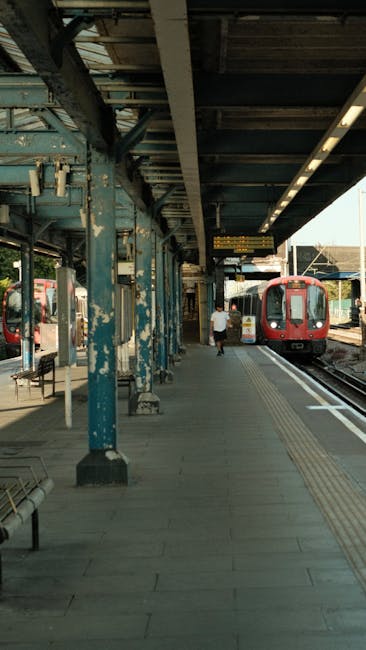
Erith Station removals for tight platform and lift moves
Moving near a station is rarely straightforward, and Erith Station is no exception. If you are planning Erith Station removals for tight platform and lift moves, the real challenge is not just getting boxes from A to B; it is making sure bulky furniture, awkward angles, and time-sensitive access all work together without a hitch. A sofa that looked perfectly normal in the lounge can suddenly feel like a design error when faced with a narrow lift or a busy platform edge.
This guide breaks down how station-area removals work in practical terms, what makes tight platform and lift moves different, and how to reduce stress on moving day. You will also find a useful checklist, a comparison table, and the sort of honest, real-world advice that helps when you are trying to fit a move into a live transport environment. If you need broader support around the move itself, it can also help to look at removals and man with van options before you book.
Why Erith Station removals for tight platform and lift moves Matters
Station-side removals are a different beast from a standard house move. Around Erith Station, the pressure usually comes from a mix of narrow access, short dwell times, foot traffic, stairs, lifts, kerbs, and the simple fact that you cannot park wherever you like and hope for the best. Even a modest move can become awkward fast if the route from vehicle to property is not mapped out properly.
Tight platform and lift moves matter because they expose every weak point in the moving plan. Oversized items can stall in a lift doorway. A platform can become congested. A trolley that works fine in a warehouse may be useless on a sloped path or uneven paving. In other words, what seems like a small logistical issue at 9:00 can become a very real delay by 9:20. And nobody wants the day drifting away like that.
There is also a trust issue. When people search for station removals, they are often trying to solve a specific problem: "Can this be done safely, quickly, and without damaging the building or my things?" The answer depends on planning, experience, and the right equipment. A good move is less about brute strength and more about judgement. You notice that most when a wardrobe has to turn 90 degrees in a lift. Not glamorous. Very necessary.
For people comparing local moving support, the route may include man and van removals or more full-service removal services, depending on how much lifting, packing, and coordination is involved.
How Erith Station removals for tight platform and lift moves Works
The process starts before the first box is lifted. The key is to assess the route: from the property, through shared areas, to the lift or platform, then out to the vehicle. A proper station-area move should consider building rules, lift dimensions, loading access, time restrictions, and whether the heaviest items can be moved safely without improvising on the day. Truth be told, improvising is where things go wobbly.
In practice, a move like this often follows a sequence:
- Access check - confirm lift size, door widths, stair access, and any platform constraints.
- Item survey - identify bulky, fragile, or heavy items that may need dismantling or specialist handling.
- Load planning - decide what should go first, what needs padding, and what can be stacked.
- Timing plan - choose a sensible arrival window and allow room for delays around station traffic.
- Protection setup - use blankets, straps, covers, and floor protection where needed.
- Controlled movement - move items in a steady flow, with clear communication between team members.
For tighter homes, flats, or mixed-use buildings, professional movers will usually break the task down into smaller trips rather than forcing everything through at once. That may sound slower, but in a narrow lift or a short platform area, smaller and steadier is often quicker overall. One bad snag can waste more time than two careful trips. Simple, really.
It can also help to pair this with packing and unpacking services if you want the load to be ready in a way that suits tight access. Good packing makes a huge difference when items have to move through compact spaces.
Key Benefits and Practical Advantages
Well-managed station removals have several practical advantages. The obvious one is reduced risk of damage, but there is more to it than that. The right approach saves time, avoids friction with neighbours or building staff, and makes the entire move feel calmer. Calm matters. You can hear it in the way people stop clattering around and start moving with purpose.
- Less chance of damage - careful routing and proper handling reduce knocks, scrapes, and scuffed walls.
- Better use of time - a structured plan prevents repeated back-and-forth and confused decision-making.
- Cleaner access flow - narrow lifts and platforms work better when items are staged, not piled up.
- Lower stress for you - if the route is understood, the move feels more controlled.
- Safer for everyone - fewer rushed lifts and less crowding around shared spaces.
- More suitable for awkward items - beds, wardrobes, desks, and white goods can be managed with the right method.
There is also a subtle benefit people sometimes overlook: reputational peace. If you are moving out of a flat, a business unit, or a shared building close to the station, being organised reduces the chance of annoying the people around you. No one enjoys being "that move" everyone remembers for the wrong reasons.
Who This Is For and When It Makes Sense
This kind of move is for anyone dealing with limited access, especially where standard removal vans or large items need careful handling. It is particularly relevant if your home or workplace sits near the station and the route includes a compact lift, a tight stairwell, a shared entrance, or a loading area with limited stopping space.
It tends to make sense for:
- people moving from upper-floor flats with small lifts
- households with large furniture or heavy appliances
- students or renters with limited belongings but awkward access
- small offices relocating near station buildings
- anyone with a short move window and a lot of access restrictions
It is also a sensible option if you need a practical, flexible team rather than a very large removal operation. For example, if you only have a few rooms' worth of items but the route is tight, a compact crew and suitable vehicle may be a better fit than trying to over-scale the job. You do not need a giant lorry for a move that is really about precision.
If you are still weighing up the size and style of support, looking at man and van or house removals can help you choose the right level of service.
Step-by-Step Guidance
Here is a straightforward way to prepare for Erith Station removals for tight platform and lift moves without making the day unnecessarily complicated.
- Measure the awkward bits first. Check lift width, lift height, door frames, stair turns, and any corners that may catch large furniture.
- List the bulky items. Sofas, mattresses, wardrobes, desks, fridges, and shelving are the usual suspects.
- Decide what should be dismantled. If a bed frame or table can be safely taken apart, that often makes the whole job easier.
- Clear the route before moving day. Remove clutter, shoes, bags, plant pots, and anything that creates a trip hazard.
- Book the right size vehicle. A smaller van can sometimes be more practical near a station than an oversized vehicle that struggles to stop or manoeuvre.
- Confirm arrival timing. Build in a buffer. Platforms, traffic, and lift waits can all add a few minutes here and there.
- Prepare the items in the order they will be loaded. That sounds obvious, but it saves a surprising amount of time.
- Use protection. Wrap corners, protect floors, and strap items securely inside the van.
- Keep one person in charge of instructions. Mixed instructions slow everything down. One voice. Better flow.
- Do a final sweep. Check cupboards, loft access, balconies, and under beds before you leave.
Small detail, big effect: label boxes by room and priority. If the lift is busy or the platform area is tight, you will appreciate knowing which box needs to come out first rather than opening three random ones looking for a kettle. Been there, regretted that.
Expert Tips for Better Results
A good station move is part preparation, part restraint. The best tip, honestly, is not to force things that clearly do not want to fit. If a wardrobe is too tall for the lift, take it apart. If a route looks too narrow, test it with cardboard measurements or a tape measure before the van arrives. It is boring work, but it pays off.
Here are a few practical tips that make a real difference:
- Use soft protection on edges. Doorframes and banisters are the first things to suffer if the angle is awkward.
- Keep heavier items low in the load. This improves stability in the van and makes unloading safer.
- Group items by destination room. That cuts confusion when space is limited and people are moving in different directions.
- Check lift loading rules. Some buildings are strict about weight, duration, or peak use periods.
- Have a backup plan for the lift. If it fails or becomes unavailable, you want to know the stair route or alternate access immediately.
- Use the van as a staging point. For really tight moves, it can be useful to load in waves rather than trying to clear the whole property in one rush.
Also, keep an eye on weather. A wet morning can turn external routes slick and messy, especially if there is a short walk between the entrance and the vehicle. That is the sort of thing nobody notices in planning, but everyone notices once the first box gets damp.
If the move is larger than expected, or you want a more fully managed approach, you may find home moves more suitable than trying to piece things together yourself.
Common Mistakes to Avoid
The mistakes on this kind of move are usually not dramatic. They are small, practical errors that stack up. The good news? Most of them are avoidable.
- Underestimating the lift size. A few centimetres can decide whether an item fits safely or not.
- Booking the wrong vehicle size. Too big can be awkward near station access; too small means extra journeys.
- Leaving dismantling until moving day. That is how delays start.
- Ignoring building rules. Shared access, lift protection, and loading restrictions matter more than people expect.
- Not protecting the route. Scratches on floors and walls are preventable, and fixing them is never fun.
- Packing heavy items badly. Books in weak boxes. Please no. Your back will thank you later.
- Forgetting to reserve parking or loading space where required. A perfect plan means little if the van cannot stop near the entrance.
One more mistake worth calling out: assuming every mover will handle tight access the same way. They will not. Experience with compact lifts and busy platform areas is a real skill, and it shows in how smoothly the move runs.
Tools, Resources and Recommendations
You do not need a warehouse full of gear, but the right tools help enormously. For station and lift moves, the basics are often the best.
- Measuring tape - for doors, lifts, furniture, and awkward corners.
- Furniture blankets - useful for protecting wood, glass, and painted surfaces.
- Straps and ties - help stabilise items in the van.
- Strong boxes - especially for books, kitchenware, and small electronics.
- Labels and marker pens - simple, but they save time.
- Gloves with grip - handy when handling heavier or slippery items.
- Trolley or sack barrow - only if it suits the route and surface.
On the service side, it helps to compare your move against the support you actually need. Some people need only a vehicle and loading help; others need packing, lifting, and a careful dismantle-and-rebuild approach. If that is you, packing and unpacking services can take a lot of pressure off the day.
For business customers, office removals and office relocation services may be more relevant if the move involves desks, monitors, cabinets, or shared workspaces near station access.
Law, Compliance, Standards and Best Practice
For a move like this, the practical side matters most, but compliance still plays a part. In the UK, moving work should be carried out with sensible attention to health and safety, access arrangements, safe lifting, and property protection. The details will vary by building and circumstance, so it is wise to treat each job as its own planning exercise rather than assuming a one-size-fits-all process.
Best practice usually includes:
- risk-aware manual handling
- clear communication between movers and the customer
- careful use of shared lifts and common areas
- insurance and safe handling arrangements
- respect for building access rules and neighbours
If you want reassurance around safe working and insurance, the site's health and safety policy and insurance and safety information are worth a look. They help set expectations for how a professional move should be handled, especially where the property layout is less than generous.
To be fair, most problems on moving day are avoidable with a calm process and the right planning. The aim is not to create a perfect industrial operation in your hallway. It is to move things safely and sensibly, without drama.
Options, Methods, or Comparison Table
Here is a simple comparison of common approaches to station-area removals. The right choice depends on access, volume, and how much hands-on help you want.
| Method | Best for | Strengths | Limitations |
|---|---|---|---|
| Man and van | Smaller moves, lighter loads, quick station access | Flexible, compact, usually easier to position near tight access | May need extra trips for larger loads |
| Full removals support | Households with furniture, appliances, or more complicated access | More hands, better for heavier lifting and coordination | Can be more than you need for a very small move |
| DIY move | Very small loads with straightforward access | Lower direct cost if everything goes smoothly | Higher risk of stress, delays, and damage in tight areas |
There is no universal winner here. A tiny move with a clear lift route can be simple. A modest move with a narrow stairwell can be a headache. That is why access beats volume in the decision-making process more often than people think.
Case Study or Real-World Example
Picture a typical weekday move near the station. A couple is leaving a second-floor flat with a small lift, a narrow corridor, and one very awkward sofa that looked elegant in the showroom and slightly overconfident in the hallway. They have a few boxes, a bed frame, a table, and a fridge. Nothing outrageous, but enough to create problems if the plan is loose.
Before the move, the furniture is measured and the sofa is checked against the lift opening. It does not fit upright, so the team decides to take a different route and remove the feet, then angle it carefully with padding on the corners. The bed frame is dismantled in advance. Boxes are grouped by room. The van is parked as close as access allows, with the loading sequence planned so the heavy items come first. A little awkward, yes. But workable.
What makes the day successful is not magic. It is the combination of preparation, patience, and realistic expectations. There is a moment when the lift doors close, the hall goes quiet, and the whole thing just clicks into place. That small feeling of relief is often what people remember most.
If you want a broader benchmark for this sort of move, comparing removal company support with lighter removal van options can help you match the job to the method rather than guessing.
Practical Checklist
Use this checklist before moving day. It is simple, but it catches the usual problems.
- Measure all large furniture and appliances
- Check lift dimensions and door clearances
- Confirm stair access in case the lift cannot be used
- Ask about building rules for loading or protection
- Identify items that should be dismantled
- Label boxes by room and priority
- Prepare parking or loading arrangements
- Protect fragile items and furniture edges
- Keep important documents and valuables separate
- Leave a clear route from the property to the exit
- Check whether you need extra help for packing or unpacking
- Keep mobile contact details ready on the day
Expert summary: the safest and smoothest station move is the one that respects the building, the route, and the limits of the lift. If you get those three things right, the rest becomes much easier.
Get a free quote today and see how much you can save.
Conclusion
Erith Station removals for tight platform and lift moves are all about precision, planning, and making sensible decisions before the van arrives. When access is limited, the move stops being a simple transport job and becomes a route-management problem. That is exactly where experienced, well-prepared movers earn their keep.
Whether you are shifting a few rooms' worth of furniture, moving out of a compact flat, or coordinating a station-adjacent business relocation, the best result usually comes from small, careful choices made early. Measure first. Pack properly. Choose the right service level. And give yourself a little breathing space in the schedule, because moving day has a habit of surprising you at the edges.
Done well, it does not have to feel chaotic. It can feel organised, steady, and actually quite reassuring. And that is a good place to be.
Frequently Asked Questions
What makes Erith Station removals different from a normal house move?
The main difference is access. Tight platform areas, compact lifts, shared entrances, and limited stopping space can all affect how the move is planned and completed. That changes the vehicle choice, the loading order, and the amount of handling needed.
Can large furniture be moved through a small lift?
Sometimes, yes, but only if the item and the lift dimensions allow it safely. Often the better option is to dismantle the furniture first or choose a different route. Forcing a large item into a small lift is usually where damage starts.
Do I need a man and van or a full removals team?
It depends on the volume of items and how awkward the access is. A man and van setup can suit smaller loads and quick, compact moves, while a fuller removals team is often better for heavier furniture, more boxes, or more complicated handling.
How do I prepare for a move with a narrow platform area?
Keep the path clear, label your boxes, pre-pack in loading order, and make sure large items are ready to move without extra sorting on the day. It also helps to confirm where the vehicle can stop and whether any time restrictions apply.
Is it worth dismantling beds and wardrobes before moving day?
Very often, yes. Dismantling can make the item safer to handle and much easier to fit through lifts, doors, and corridors. It also reduces the chance of scuffed walls or a stuck corner halfway through the move.
What should I do if the lift is out of service on moving day?
Have a backup route in mind. If the lift cannot be used, the team should already know the stair route, any turning points, and whether the move still makes sense at that time. A good mover will adapt calmly rather than guessing.
How far in advance should I book a station-area move?
As early as you reasonably can, especially if the move is time-sensitive or access is difficult. That gives everyone time to measure, plan, and sort out any building or parking restrictions without rushing.
Will station removals cost more than a standard move?
They can, depending on the difficulty of access, the amount of lifting involved, the time needed, and whether extra packing or dismantling is required. It is best to ask for a quote based on the actual access conditions rather than assuming a standard price will fit.
What kind of items are hardest to move through tight lifts?
Usually sofas, mattresses, wardrobes, tall bookcases, fridge freezers, and heavy office furniture. Anything large, rigid, or awkwardly shaped can create problems in a compact lift or narrow platform area.
Can packing services really make that much difference?
Yes, they can. Good packing makes items easier to stack, easier to carry, and less likely to break in a tight route. It also reduces the number of loose bits and random last-minute decisions, which is always a win.
What is the safest way to move in a busy station area?
Plan the route, keep the lift and platform clear, move items in manageable stages, and use proper protection for furniture and walls. The safest moves are usually the ones that are calm rather than fast.
Where can I learn more about service quality and safety before booking?
Look at the provider's information on safety, insurance, and service terms so you know what to expect. It helps set realistic expectations and gives you confidence that the move will be handled properly, not casually.