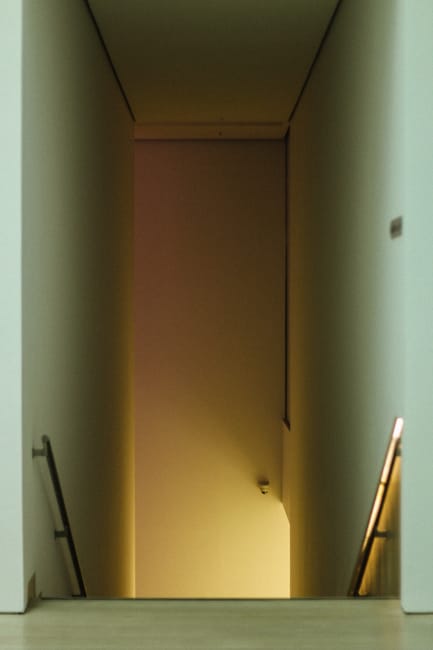
Staircase and Narrow Hallway Solutions for Erith Flats
Posted on 02/06/2026
Moving into or out of a flat in Erith can look straightforward right up until you meet the staircase. Then the hallway narrows, the turn feels tighter than it looked on the viewing, and suddenly a sofa, wardrobe, or mattress becomes a very different problem. That is exactly where Staircase and Narrow Hallway Solutions for Erith Flats make a real difference. With the right planning, a calm approach, and a few practical techniques, even awkward access can be managed without turning moving day into a small disaster. Truth be told, most problems are solved before the first box is lifted.
This guide walks through what those solutions involve, why they matter in local flats, and how to handle tight access safely and efficiently. It also covers common mistakes, useful tools, and sensible next steps if your Erith flat has a tricky layout. If you are planning a move that involves stairs, corners, and not much breathing room, you are in the right place.

Why Staircase and Narrow Hallway Solutions for Erith Flats Matters
Flat moves in Erith often involve compact entrances, shared stairwells, railings, awkward landings, and hallways that seem to shrink once a mattress is in motion. That is not a minor inconvenience. It affects whether items get moved safely, whether walls stay scuffed-free, and whether the move finishes on time or drifts into a long, sweaty afternoon of shuffling furniture back and forth.
The issue is not just space. It is control. A staircase forces you to manage angle, weight, grip, and communication all at once. A narrow hallway adds another layer: the item may fit in theory, but only if it is rotated at the right moment and carried by people who know what they are doing. In older blocks, the turn between corridor and stairwell is often the real test. You can almost hear the sofa catching on the banister before it happens. Not ideal.
These solutions matter because the cost of getting it wrong is more than a scratched wall. Poor handling can damage doors, banisters, lifts, furniture frames, and even flooring. More importantly, it can injure the people moving. A careful process protects both the property and the move itself, which is especially useful when you are dealing with limited time, neighbours, or a landlord expecting the flat to be left in good order. If you want a broader moving plan as well, this local guide on navigating a house move with less stress is a sensible companion read.
How Staircase and Narrow Hallway Solutions for Erith Flats Works
At a practical level, the approach is simple: measure, prepare, protect, move, and check. The difference between a smooth move and a painful one usually lies in the quality of those steps, not in brute force. In our experience, people often try to "just get it through" before they have properly assessed the route. That is usually where trouble starts.
The process begins by identifying the widest and narrowest points in the route from flat to vehicle. This includes the flat entrance, hallway corners, stair turns, communal landing, and any outer steps. Then you compare those measurements with the dimensions of the largest items, such as sofas, beds, wardrobes, white goods, or a piano. If a piece looks borderline, plan for disassembly or an alternative carry method before moving day arrives.
Next comes protection. Door frames, corners, bannisters, and floors should be covered where possible. Lightweight covers, blankets, and route protection reduce the chance of chips and scuffs. After that, the item itself may be wrapped, strapped, or broken down into manageable parts. If the item is awkwardly shaped, the team may use a two-person or three-person carry, take a diagonal line through the hallway, or tilt the item to change the angle of entry. Small adjustment, big difference.
For particularly heavy or bulky items, the best approach often combines planning with specialist lifting technique. A helpful overview is available in the article on kinetic lifting and movement, which explains why balance and body positioning matter so much when space is tight.
Key Benefits and Practical Advantages
Good staircase and narrow hallway planning does more than make the job easier. It changes the whole mood of the move. Instead of constant hesitation and "will this fit?", you get a clearer path and fewer surprises. That matters when you are already juggling keys, paperwork, parking, and the basic chaos of moving day.
- Less damage: Better route planning lowers the risk of wall marks, chipped paint, crushed skirting boards, and broken handles.
- Safer lifting: Proper handling reduces strain on backs, shoulders, wrists, and knees, which is worth taking seriously.
- Faster progress: Once the route is mapped, items move with less stopping and starting.
- Better use of space: Disassembly and angle control let you move larger items through smaller openings.
- Less stress for neighbours: Efficient loading keeps shared spaces clear and reduces disruption in communal hallways.
- Cleaner handover: A controlled move helps preserve the flat and supports a tidy check-out at the end.
There is also a financial benefit that people overlook. One damaged banister, one cracked sideboard, or one injury-related delay can cost far more than sensible planning from the start. It is a bit boring to say, but the boring option is often the clever one.
For people pairing a flat move with furniture or single-item transport, the relevant service pages can help you match the move to the job, including furniture removals in Erith and flat removals in Erith.
Who This Is For and When It Makes Sense
This topic is relevant to a lot of people, not just those moving into a top-floor flat with a tiny staircase. If your property has a tight landing, a shared stairwell, or a hallway where two people cannot comfortably pass each other, you will benefit from planning ahead.
It makes particular sense for:
- tenants moving in or out of Erith flats with awkward internal layouts
- students with limited furniture but narrow access routes
- families moving large items in older apartment blocks
- anyone transporting sofas, beds, fridges, or wardrobes through a tight route
- people arranging a move after a short notice change or same-day requirement
If you are moving solo, the challenge is even more obvious. One person has to steer, lift, open doors, and think three moves ahead. That is why guides on heavy lifting on your own and bed and mattress transportation are especially useful in cramped flats.
Sometimes the smartest decision is not to force a full carry at all. For example, a wardrobe may need to be partially dismantled; a sofa may need to lose its feet or cushions; and a fridge may need to be moved upright on a trolley rather than dragged around a turn. The right answer depends on the item, the route, and how much help you have. Simple as that.
Step-by-Step Guidance
If you want a practical, low-drama way to deal with tricky access, follow this sequence. It is not glamorous, but it works.
- Measure the route. Check stair width, landing space, hallway width, doorway clearance, and the largest items you need to move.
- Identify obstacles early. Look for light fittings, radiator pipes, awkward corners, loose carpets, low ceilings, and anything that might snag.
- Clear the route completely. Remove shoes, mats, small tables, bins, and anything else that can trip someone or block a turn.
- Protect property surfaces. Use blankets, corner protectors, and floor coverings where needed, especially at pinch points.
- Break down furniture if possible. Remove legs, shelves, doors, mattress bases, and loose parts before the heavy carry begins.
- Assign roles. One person should lead, one should steady, and one should watch angles if the item is especially awkward.
- Move slowly through the turn. Most damage happens when people rush the stair corner or hallway bend.
- Pause before the final exit. Reset grip, check the route, and only continue when everyone is ready.
- Inspect the route afterwards. Look for marks, loose fixings, or debris before leaving the property.
A small tip that saves headaches: if a piece can be moved diagonally, test the diagonal before assuming it will not fit. Sometimes a few degrees make all the difference. That tiny bit of geometry can feel almost annoyingly powerful.
If you are still in the planning stage, reviewing effective decluttering tips can help you decide what is worth taking through the stairwell at all. Fewer items usually means fewer awkward turns. Funny how that works.
Expert Tips for Better Results
Here is where experience really pays off. The best staircase moves are rarely about strength. They are about small decisions made early.
- Measure before dismantling. If a wardrobe looks too wide, confirm it before removing every screw and panel.
- Use the right size team. Too few people and the item becomes unstable; too many and the stairwell becomes crowded.
- Keep communication simple. Use short phrases like "stop", "tilt", "lift", and "clear". Long instructions on a narrow landing are a bit of a mess.
- Protect hands as well as furniture. Gloves with grip can help, especially on smooth finishes or damp conditions.
- Watch for awkward weather. Rain on a stairwell entry can make floors slippery, and a muddy boot on a landing is nobody's friend.
- Use furniture sliders and trolleys only where suitable. They are useful, but not every stairwell or floor surface is ideal for them.
- Think about the exit too. A flat may be tight inside, but the building entrance, path, or parking position can be the real bottleneck.
For delicate or heavy items, specialist handling is often the safer route. A piano, for instance, is a completely different level of problem. If that is part of your move, see the hidden challenges of moving a piano alone and the dedicated piano removals in Erith page for more context.
And yes, sometimes the best tip is the obvious one: stop trying to make a large item do something it clearly does not want to do.

Common Mistakes to Avoid
A lot of staircase problems are predictable. That is actually good news, because predictable problems can be prevented.
- Skipping measurements. Guessing the route size is a classic mistake and a very expensive habit.
- Forgetting the turn radius. The hallway may be wide enough, but the corner may not.
- Moving furniture fully assembled. A sofa or wardrobe that seems manageable on its own can become impossible once you hit the stairs.
- Rushing the descent. Going down stairs quickly increases the risk of slipping and letting the load drift.
- Not protecting the property. Even a small scuff in a shared hallway can become a headache with a landlord or building manager.
- Ignoring fatigue. When people get tired, the grip weakens and the judgement gets fuzzy. That is when awkward things happen.
- Leaving the parking plan until last minute. If the vehicle is poorly placed, the carry becomes longer and harder than it needs to be.
People also underestimate how messy a move can get if the route is narrow and the items are dusty, wrapped badly, or not packed properly. The article on proper packing techniques is a good reminder that good packing supports good handling. The two really do go together.
Tools, Resources and Recommendations
You do not need an enormous toolkit, but a few well-chosen items make a real difference in a flat move with tight access. The trick is using tools that help rather than create new problems.
| Tool or Resource | Best Use | Practical Note |
|---|---|---|
| Furniture blankets | Protecting walls, bannisters, and furniture edges | Especially useful on turns and at door frames |
| Ratchet straps | Securing loads during carries or loading | Useful for bulky items, but avoid over-tightening delicate furniture |
| Gloves with grip | Improving handling and reducing slippage | Helpful on smooth laminate or painted surfaces |
| Dollies and trolleys | Short flat runs and heavier items | Check stair suitability first; not every staircase is suitable |
| Basic screwdriver set | Furniture dismantling | Keep it close, because missing a tool mid-move is a tiny tragedy |
| Packing supplies | Reducing breakage and loose parts | Boxes, tape, and labels make movement much cleaner |
If you need packing materials, the packing and boxes service in Erith is relevant to a move where things must be well-secured before they reach the stairs. And if you want to keep the move simple from the start, man with a van in Erith or man and van in Erith options can be a practical fit for smaller flats and quicker jobs.
For readers comparing broader support, the services overview and removal services pages are useful starting points.
Law, Compliance, Standards, or Best Practice
When moving in shared residential buildings, the legal and practical side matters just as much as the physical lifting. You may not be dealing with a formal permit issue for the staircase itself, but you are still responsible for moving safely, respecting communal areas, and avoiding unnecessary damage.
In the UK, sensible best practice usually means:
- not blocking shared escape routes or access ways for longer than necessary
- taking care to avoid damage to the building fabric
- lifting in a way that reduces the risk of injury
- checking tenancy or building rules where they apply
- making sure items are moved in a way that is reasonable for the space available
Where movers or helpers are involved, safety planning should be taken seriously. That includes route checks, suitable footwear, sensible load sizes, and clear communication. If you are hiring support, look for a provider whose approach to safety is transparent and practical. The pages on insurance and safety and health and safety policy are worth reviewing before you book, because they help set expectations.
It is also sensible to understand the moving terms and payment arrangements up front. Nobody wants confusion on the day, especially when everyone is carrying something awkward and one person is balancing a kettle. For that side of things, terms and conditions, pricing and quotes, and payment and security are practical pages to check.
Options, Methods, or Comparison Table
Not every staircase move needs the same solution. Some jobs are fine with two people and careful wrapping. Others are better served by a more structured approach. Here is a simple comparison to help you think it through.
| Method | Best For | Strengths | Limitations |
|---|---|---|---|
| Manual carry | Light items, short stair runs | Quick, simple, low equipment need | Higher strain and less suitable for bulky items |
| Partial dismantling | Wardrobes, beds, shelving, larger furniture | Makes tight turns much easier | Requires time, tools, and careful reassembly |
| Team lift | Sofas, appliances, heavy awkward loads | Better control and weight distribution | Needs coordination and enough space to work safely |
| Trolley-assisted move | Flat access or smooth ground-floor transfers | Reduces carrying load over short distances | Not always suitable for stairs or uneven landings |
| Specialist item handling | Pianos, large mirrors, very heavy or fragile items | Safer for valuable or difficult loads | Usually needs specific planning and experience |
For a sofa in particular, there is a lot to be said for careful preparation. This guide on sofa storage and protection also gives a useful sense of how fragile upholstered furniture can be when it is squeezed, tilted, or dragged the wrong way.
Case Study or Real-World Example
Here is a realistic example. A couple moving out of a second-floor Erith flat had a large sofa, a bed frame, and several boxes of kitchenware. The hallway was narrow, with a right-angle turn at the top of the stairs and a bannister that left very little breathing space. On paper, the move looked manageable. In person, it was the kind of layout that makes you pause halfway through the front door.
Rather than trying to force the sofa through assembled, they measured the longest edge, removed the feet, wrapped the arms, and planned the carry so the item could be tilted only once at the landing. The bed frame was dismantled before the move started, and the boxes were staged near the exit to keep the route clear. The result was boring in the best possible way: no scrapes, no panic, no shouting up the stairs, and no last-minute decision to wedge the sofa at a weird angle and hope for the best.
That is usually the pattern with staircase and narrow hallway solutions. The successful move looks uneventful from the outside because the hard work happened in the planning stage. It may not sound dramatic, but it saves a lot of trouble.
For more local context on moving around the area, you may also find these guides helpful: moving from the DA8 postcode, avoiding parking fines on moving day in Erith, and managing Erith Riverside access.
Practical Checklist
Use this checklist before moving day. It is simple, but it catches a surprising number of problems.
- Measure the widest furniture pieces and compare them with the tightest stair or hallway points
- Identify every turn, landing, and doorway along the route
- Decide which items need dismantling before the move
- Pack loose parts, screws, and fittings in clearly labelled bags
- Protect walls, corners, floors, and bannisters where contact is likely
- Clear the hallway, entrance, and landing of obstacles
- Confirm parking or loading arrangements near the building
- Assign roles for lifting, guiding, and opening doors
- Wear suitable footwear and gloves if needed
- Keep drinks and breaks available, because fatigue sneaks up on people
- Check that insurance and safety arrangements are clear if you are using professional help
- Leave time at the end for a quick inspection of the route and any building areas used
If storage is part of the wider plan, especially for items that cannot go straight into the new flat, storage in Erith may be worth considering. For students with compact loads and tight stair access, student removals in Erith can be a simpler fit.
Conclusion
Staircase and narrow hallway solutions for Erith flats are really about one thing: making a difficult route predictable. Once you know the measurements, the risks, and the right handling method, the move becomes far more manageable. You do not need to win a contest of strength. You need a clear plan, the right equipment, and a calm approach to each turn, landing, and doorway.
That is the honest truth. Most flat-move problems are not dramatic mysteries; they are just access problems waiting to be respected. Handle them early, and the rest of the move feels lighter. Handle them late, and everything gets harder than it needs to be.
If you are planning an Erith flat move with awkward stairs or a tight hallway, take the time to compare your options, protect the route, and get the support that fits the job. A measured move is usually a better move, and it tends to leave everyone breathing a little easier at the end.
Get a free quote today and see how much you can save.
And once the last box is down, there is always that quiet, satisfying moment when the stairwell is clear again. Tiny victory, but a real one.