Pavement and Parking Rules for Removals in Erith (DA8)
Posted on 04/07/2026
Moving day in Erith can go smoothly, or it can turn into one of those awkward mornings where a van is circling, neighbours are waiting to pass, and someone is nervously eyeing a yellow line. The difference is usually not luck. It is planning. Understanding Pavement and Parking Rules for Removals in Erith (DA8) helps you protect access, reduce delays, and avoid the kind of fines or friction that can spoil an otherwise tidy move.
In practical terms, this is about where the removal vehicle can stop, how long it can stay, whether it can load safely without blocking pedestrians, and what you should check before boxes start coming down the stairs. If you are moving from a flat, a terraced house, or a property with tight street access, the details matter more than most people expect. Let's face it, the last thing you need is the sofa halfway through the doorway and the van nowhere near the kerb.
This guide breaks the topic down in plain English. You will get the key rules to think about, how the process usually works in a local move, the mistakes people make, and the sensible steps to take before moving day. You may also find it helpful to read this guide to avoiding parking fines on moving day in Erith alongside this article, especially if you are trying to keep everything calm and compliant.

Why Pavement and Parking Rules for Removals in Erith (DA8) Matters
The short answer? Because access makes or breaks a move. A removal team can be organised, careful, and fast, but if the vehicle cannot stop close enough to the entrance, everything takes longer. That extra distance matters when you are moving wardrobes, white goods, mattresses, or boxes that keep getting heavier the more stairs you add into the equation.
In Erith, as in most parts of London, streets can be a mix of residential parking, narrow roads, controlled bays, permit areas, and places where pavement space is simply too tight to ignore. If a van blocks a footway, even briefly, you can inconvenience pedestrians, parents with pushchairs, wheelchair users, and neighbours trying to pass. It is not only about rules; it is about keeping the route usable.
There is also the financial side. Parking restrictions, waiting limits, loading bays, double yellow lines, suspended bays, and access constraints can all affect a removal. One careless assumption can mean a ticket, a delay, or a scramble to reposition the vehicle while everyone else stands around with a kettle, a dismantled bed frame, and a mildly stressed face.
This is why local planning is so valuable. A proper removals plan in DA8 should think about where the van will stand, whether it needs to load from the road or a designated bay, and how the team will move furniture without turning the pavement into a bottleneck. If you are dealing with heavier items, it can help to look at practical heavy lifting advice so the load plan and the parking plan work together.
How Pavement and Parking Rules for Removals in Erith (DA8) Works
There is no single one-size-fits-all rule for every street in Erith. What matters is the local parking setup on the exact road, the time of day, and the nature of the vehicle stop. In practice, removals usually depend on a few layers of checking.
1. Identify the street conditions
Start with the basics: is the road narrow, one-way, permit-controlled, or lined with loading restrictions? Is there a dropped kerb or a clear frontage where the van can stand safely? A quick visual check sometimes tells you more than a generic assumption ever will.
2. Understand loading versus parking
Many people use those words interchangeably, but they are not always the same. Loading is usually about active loading or unloading, while parking is leaving the vehicle stationary without that movement. During a removal, the van may be allowed to stop briefly for loading, but that does not automatically mean it can sit there for hours.
3. Check whether pavement use is sensible or unsafe
It is not enough to ask whether a van can stop close to the property. You also need to consider whether people can still pass safely on the pavement. If the pavement is already narrow, placing stacks of furniture there can quickly become a problem. You do not want a row of boxes turning the footway into an obstacle course.
4. Plan for timing
Morning traffic, school runs, commuter flow, and even bin collection day can affect how easy it is to access the street. Sometimes moving a slot by one hour makes life far easier. Truth be told, that little adjustment can be the difference between a smooth lift and a bad-tempered one.
5. Match the vehicle to the access
A smaller vehicle or a man and van service in Erith can often be a better fit for tighter streets than a larger removal vehicle. That does not always mean smaller is better, though. The right choice depends on volume, item size, and how much distance is involved between door and van.
If your move involves awkward access, first-floor flats, or awkward corners, it is worth combining parking planning with broader moving guidance such as staircase and narrow hallway solutions for Erith flats. These issues tend to travel together.
Key Benefits and Practical Advantages
Getting pavement and parking arrangements right is not just about avoiding trouble. It brings real practical value on the day.
- Less lifting distance - the closer the van, the fewer steps and handovers required.
- Quicker loading and unloading - which matters when you are paying by the hour or coordinating keys.
- Reduced risk of damage - fewer awkward carries often means fewer knocks against walls, railings, or kerbs.
- Better safety - pedestrians can move more freely and the crew can work without squeezing around obstacles.
- Lower stress - everything feels more controlled when access is thought through in advance.
- Fewer delays - less time spent hunting for a spot, moving the van, or reworking the route.
There is also a quieter benefit that people often notice only after the move is over: the day feels more organised. That matters. A move is already noisy, physical, and emotionally draining, especially if you are juggling keys, children, pets, or a last-minute clean. If you want that side of things to feel less chaotic, a good overall moving plan helps; this house move guide fits nicely with the access planning side of the job.
Who This Is For and When It Makes Sense
This topic is relevant to almost anyone moving in Erith, but some people need it more than others.
Flat movers and apartment residents
If you live in a flat, the street outside is often the biggest variable. Shared entrances, limited frontage, and first-floor carries mean every metre matters. If the van is far away, the whole chain slows down. That is where access planning becomes worth its weight in tea bags.
House movers in residential streets
Terraced and semi-detached homes may look straightforward from the outside, but street parking can still be tight. If neighbours are already parked near your frontage, the removal team may need a backup plan. A bit of flexibility here saves grief later.
Students and short-term movers
Student moves often happen quickly, with fewer items but less planning. That can be trickier than it sounds. People assume fewer boxes means fewer problems, but a tight parking space can still delay even a small move. If that sounds familiar, student removals in Erith can be a useful fit for compact, time-sensitive moves.
Office and business relocations
Commercial moves raise the stakes because access windows may be limited and business continuity matters. Loading at the wrong time can disrupt neighbours, clients, or delivery schedules. If you are moving desks, archive boxes, or IT equipment, see also office removals in Erith for the kind of planning that keeps the day from drifting off-course.
Special-item moves
Pianos, sofas, mattresses, and bulky furniture deserve extra thought. They are not just heavier; they are more awkward to manoeuvre. For these, parking distance matters more than people expect. A few extra metres can turn a clean carry into a messy one. For a specific example, piano removals in Erith is the sort of job that benefits from careful access planning from the start.
Step-by-Step Guidance
Here is a sensible way to prepare for pavement and parking issues before moving day. No drama, just a clean sequence.
- Walk the route from property to roadside. Check the full carry path, not just the van space. Watch for steps, narrow gates, low walls, overhanging hedges, and uneven paving.
- Measure the awkward bits. If you have a large sofa, bed base, or fridge, the route matters as much as the vehicle bay. One bad corner can waste time very quickly.
- Decide where the van should stop. Aim for the shortest safe loading point. Safety still comes first. You want close access, not a stunt.
- Check whether anything needs to be moved. Temporary clearance of bins, personal cars, bicycles, or garden items can free up enough room for a proper stop.
- Plan the timing window. Pick a time that reduces congestion and gives enough daylight if possible. Early morning can be quieter, but not always. A little local judgement goes a long way.
- Coordinate with the removal team. Make sure everyone understands the access point, the entrance to use, and where items should be stacked if a staging area is needed.
- Keep the pavement clear. Do not place boxes or furniture where pedestrians would have to weave around them. It is a small thing that can prevent a big headache.
- Have a backup option. If your preferred spot is blocked, know the nearest alternative before the van arrives. That way you are not making decisions under pressure.
Sometimes the smartest move is to declutter first so you do not need to carry or park for items you never intended to keep. That can be a surprisingly big win. If that resonates, decluttering before the move is worth a look.
Expert Tips for Better Results
These are the small things that tend to make a real difference.
- Do a second site check at the same time of day as the move. Parking can look fine at 10am and very different at 3pm.
- Think about the order of unloading. Put the first-needed items in the most accessible part of the van, especially if the vehicle cannot stay close for long.
- Use one clear point of communication. Too many people giving directions leads to confusion. One person should manage the flow.
- Protect the floor and edges. If items are coming across a pavement or narrow threshold, keep an eye on scuffs and scrapes.
- Keep children and pets away from the loading route. This sounds obvious, but moving day excitement makes everyone a bit forgetful.
- Have packing done the day before. Waiting to tape boxes while the van is outside is the kind of thing that sounds manageable until it is raining. London weather can be, well, a bit cheeky.
For packing discipline, a strong prep routine helps the whole move. You may find proper packing techniques for a smoother move useful if you want the loading phase to be cleaner and quicker.
And if you are moving a sofa, bed, or freezer, the vehicle position becomes even more important because turning, lifting, and setting down all take room. A few small planning choices save a lot of grunting later. Not glamorous, but effective.
Common Mistakes to Avoid
These are the errors that cause the most avoidable trouble on removal day.
- Assuming the street will be easy. A street can look roomy until delivery vans, residents, and school traffic are all in the mix.
- Leaving parking to the last minute. If no one has thought about it, you are already behind.
- Blocking the pavement. Even for a short time, this can create safety and access issues.
- Underestimating loading time. People often plan for the collection of boxes, not the actual choreography of getting them to the van.
- Forgetting about oversized furniture. A mattress or piano can change the whole access plan.
- Not warning neighbours. A simple heads-up can reduce friction, especially where vehicles may stop near shared spaces.
- Using the wrong size vehicle. Too large and the road may be awkward; too small and you may need more trips. Neither is ideal.
There is another mistake that gets overlooked: trying to solve access problems on the fly while the team is already lifting. That is where mistakes happen. Take two minutes earlier in the day, breathe, check the space, and adjust. Much better.
Tools, Resources and Recommendations
You do not need a truckload of specialist equipment, but a few practical tools make life easier.
- Measuring tape - useful for checking furniture width, stair turns, and loading gaps.
- Reusable door wedge or prop - helps keep access open during repeated trips.
- Furniture blankets and straps - reduce knocks and make handling more controlled.
- Boxes that stack cleanly - neat stacking matters when the van space is limited.
- Visible list of key items - helps prioritise what goes first and what must remain accessible.
Useful planning also depends on the kind of move you are doing. A smaller job may fit a simple vehicle and a short loading window. A bigger home move may need more structure and a fuller service. If you are comparing options, the services overview and removal services can help you think through what sort of support matches your move.
If you are looking at cost early, it is sensible to get a clear quote before the moving date settles in. That keeps expectations tidy, and it avoids awkward surprises. Pricing and quotes is the natural place to start if budget is part of the decision.
Law, Compliance, Standards, or Best Practice
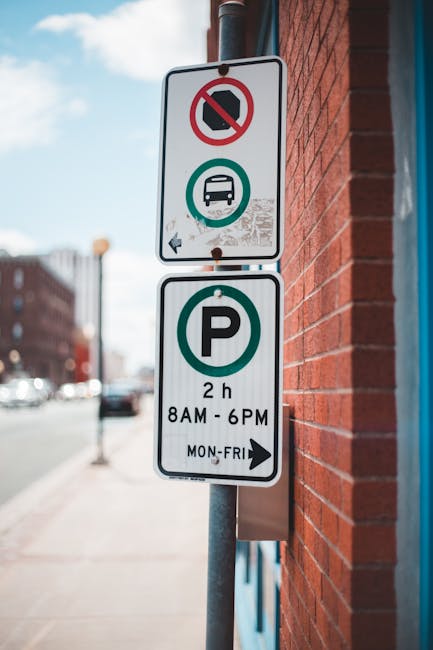
For removals in Erith, the safest approach is to treat parking and pavement use as a compliance issue, not just a convenience issue. Local rules can vary by street, and restrictions may change with bay markings, signs, and time-specific controls. If something looks uncertain, it should be checked rather than guessed.
As a general best practice, removal teams should avoid causing unnecessary obstruction, especially on footways and at entrances. In the UK, safe loading and unloading should always be balanced against pedestrian access and road safety. If a van needs to stop near the property, the important question is not only "can it fit?" but also "is it safe and fair to everyone passing through?"
That approach is especially relevant in mixed residential streets, near flats, or anywhere with narrow pavements. A professional team should also follow its own health and safety procedures, which is why it can help to review the company's health and safety policy and its insurance and safety information before booking. Those pages tell you a lot about how seriously a company takes day-to-day risk.
If sustainability matters to you, there is another good layer to think about. Better load planning usually means fewer wasted trips, which is good for time and fuel. If you are also clearing out old items, recycling and sustainability can be part of the wider move plan. Not everything needs to end up in the van, after all.
Options, Methods, or Comparison Table
Below is a simple comparison of common ways people handle access and parking during a local removal. The right choice depends on the property, the street, and the size of the move.
| Method | Best for | Strengths | Limitations |
|---|---|---|---|
| Street-side loading close to the property | Most standard house or flat moves | Fastest carry distance, easier on the crew | Depends heavily on street availability and timing |
| Smaller vehicle with tighter access | Narrow streets and compact moves | Often easier to position, more flexible | May need multiple trips if volume is high |
| Staged loading from a nearby safe point | Busy roads or awkward frontages | Can reduce risk and allow better control | Longer carry distance, more time required |
| Split load planning | Large moves or mixed-item removals | Lets you prioritise essentials and bulky pieces | Needs careful sequencing to avoid confusion |
If your move is on the tighter side, local knowledge makes a real difference. A short route between property and van can be more valuable than a bigger vehicle parked awkwardly across the street. That is why man with a van in Erith can be a sensible fit for smaller or more access-sensitive jobs.
Case Study or Real-World Example
Here is a realistic example from the sort of move people often make in DA8. A couple moving from a first-floor flat with a narrow street outside had a solid plan for boxes, but not much of one for vehicle positioning. The road had resident parking on one side and a tighter kerb line on the other, so the initial idea of parking directly outside was not working out.
Instead of forcing it, they took a slower and smarter approach. One person checked the nearest legal stopping point while the other kept the lift route clear inside. The removal team loaded the smaller items first, then brought in the bed base and sofa once the route was fully clear. The van ended up a short walk away, but because the carry path was organised, the overall job still stayed on schedule.
The key lesson? The best parking choice is not always the closest-looking one. It is the one that lets the whole move work without stress, damage, or conflict. That is the difference between theory and reality. And moving day lives in reality.
In a similar situation, someone moving with larger furniture might pair access planning with specialist support from furniture removals in Erith or, for a more urgent timetable, same day removals in Erith. The right fit depends on timing, volume, and how tight the street is.
Practical Checklist
Use this checklist the day before moving. It is simple, but it works.
- Confirm the exact property address and access point.
- Walk the route from front door to road.
- Check whether there are parking bays, restrictions, or signs that affect stopping.
- Clear bins, bicycles, and any personal vehicles that could block the van.
- Measure bulky furniture and note any awkward corners or stair turns.
- Pack and label boxes so the first-unload items are easy to identify.
- Tell neighbours if the move may temporarily affect access.
- Keep the pavement clear for pedestrians wherever possible.
- Decide who will direct the van if the driver needs guidance.
- Have a backup parking idea in case the first space is taken.
- Keep keys, phone chargers, and documents accessible.
- Review your booking details and any safety notes in advance.
A final little practical tip: if you are still sorting through items the night before, pause and ask whether they are worth the space, the lift, and the time. That question alone can save a lot of effort. Especially with move-day clutter, which has a way of multiplying when nobody is looking.
Conclusion
Pavement and parking rules for removals in Erith (DA8) are not just a box-ticking exercise. They shape the pace, safety, and calm of the whole day. If you know where the van can stop, how the pavement stays usable, and what the access route looks like, you remove a huge amount of uncertainty before the first box is even lifted.
That kind of planning is quietly powerful. It protects your furniture, helps the removal team work efficiently, and keeps the move respectful to neighbours and passers-by. Most of all, it gives you one less thing to worry about. And on moving day, one less worry is a big deal.
If you want a move that feels organised rather than improvised, start with access, parking, and the route from door to van. The rest tends to follow. Slowly, then all at once.
Get a free quote today and see how much you can save.